

How to Choose the Right Metatarsal Pad: Materials, Functions, and Recommended Uses
Long periods of walking, standing, exercising, or even wearing high heels can lead to forefoot pain, also known as metatarsalgia. When excessive pressure is placed on the ball of the foot, it may not only cause discomfort but also affect daily activities and walking posture.
At this point, a metatarsal pad (also called a ball of foot cushion) becomes a common solution for foot pressure relief. However, with so many types of metatarsal pads available on the market, how can you choose the right one?
In this article, we will introduce the functions of metatarsal pads, common materials, and the recommended types for different users to help you find a more comfortable foot support solution.
What Is a Metatarsal Pad?
A metatarsal pad is a foot care product designed to be placed under the forefoot area. Its main purposes include:
- Distributing pressure across the foot
- Reducing friction on the forefoot
- Providing cushioning support
- Relieving discomfort caused by prolonged standing
- Improving overall shoe comfort
Metatarsal pads are commonly used in:
- High heels
- Work shoes
- Athletic shoes
- Casual footwear
They are especially helpful for people who stand for long hours, such as nurses, retail workers, factory workers, and teachers, as they can effectively reduce foot fatigue.
Common Causes of Forefoot Pain
Before choosing a metatarsal pad, it is important to understand the possible causes of forefoot pain.
Common causes include:
- Prolonged Standing or Walking
Continuous pressure on the feet can easily lead to foot fatigue and discomfort.
- Wearing High Heels
High heels shift body weight toward the front of the foot, increasing pressure on the forefoot.
- Thinning of the Natural Fat Pad
As people age, the natural cushioning under the foot may gradually become thinner.
- Sports Impact
Running, jumping, and other high-impact activities can place additional stress on the forefoot.
- Improper Footwear
Shoes with hard soles or insufficient support may concentrate pressure on certain areas of the foot.
How to Choose the Right Metatarsal Pad
1. Choose Based on Material
Different materials affect comfort, cushioning, and support performance.
Gel Material
Features:
- Soft and comfortable
- Excellent shock absorption
- Suitable for long periods of walking
Recommended for:
- People who stand for long hours
- High heel wearers
Foam Material
Features:
- Lightweight
- Soft texture
- More economical
Recommended for:
- Daily use
- Mild foot fatigue
Silicone Material
Features:
- Durable
- Better support
- Easy to clean
Recommended for:
- Sports activities
- High-pressure foot support needs
2. Choose Based on Shoe Type
Different shoes require different types of metatarsal pads.
For High Heels
Recommended features:
- Ultra-thin design
- Anti-slip surface
- Soft gel material
For Athletic Shoes
Recommended features:
- High shock absorption
- Strong support
- Durable materials
For Work Shoes
Recommended features:
- Long-lasting pressure relief
- Breathable materials
- Stable support design
3. Choose Based on Your Needs
For Pain Relief
Choose products with enhanced cushioning and pressure reduction.
For Better Comfort
Choose soft and lightweight products.
For More Stability
Choose thicker designs with stronger support.
Tips for Using Metatarsal Pads
To achieve better comfort and performance, it is recommended to:
- Clean the product regularly
- Avoid prolonged moisture exposure
- Ensure enough space inside the shoes
- Replace the product if it becomes deformed
In addition, wearing proper footwear and maintaining good foot care habits can also help reduce pressure on the forefoot.
Hot Sell Products
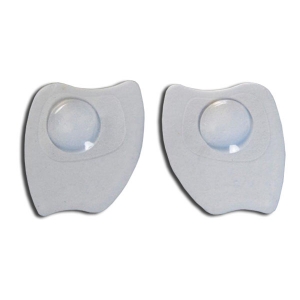
S-919
Apple -Shape Silicone Metatarsal Pad
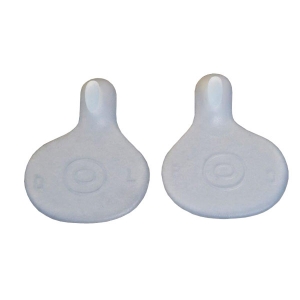
S-1101
Matatarsal Pads
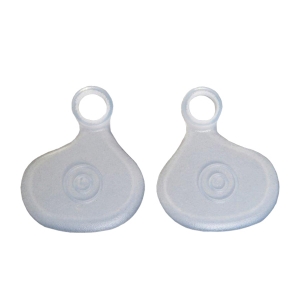
S-1102
Forefoot Pad