

How to Relieve Forefoot Pain from High Heels: 5 Effective Tips for Greater Comfort
High heels can enhance your posture, elongate your legs, and add elegance to any outfit, making them a popular choice for work, special occasions, and social events. However, wearing high heels for extended periods often leads to a common problem—forefoot pain.
If you experience sharp pain, burning sensations, or soreness in the ball of your foot after walking or standing for several hours, it may be a sign that excessive pressure is being placed on your forefoot. In this article, we'll explain why high heels cause forefoot pain and share five effective ways to relieve discomfort and protect your feet.
Why Do High Heels Cause Forefoot Pain?
When standing barefoot, your body weight is normally distributed between your heels and the balls of your feet. However, as heel height increases, your body weight shifts forward, placing significantly more pressure on the forefoot.
Over time, this increased pressure may result in:
- Increased stress on the forefoot
- Compression of the plantar fat pad
- Excessive pressure on the metatarsal bones
- Nerve compression, causing pain or numbness
- Foot fatigue that affects comfort and walking stability
People who frequently wear high heels higher than 5 cm (approximately 2 inches) are more likely to experience forefoot pain.
Common Symptoms of Forefoot Pain
When excessive pressure is placed on the forefoot, you may notice the following symptoms:
- Sharp or burning pain in the ball of the foot
- Increased discomfort after prolonged standing
- A sensation of walking on a small stone
- Callus formation under the forefoot
- Numbness or soreness in the toes
- Persistent pain even after removing your shoes
If the pain continues for an extended period or worsens over time, it is recommended to consult a healthcare professional to rule out other foot conditions.
5 Effective Ways to Relieve Forefoot Pain
1. Use Silicone Metatarsal Pads to Reduce Pressure
One of the most effective ways to relieve forefoot pain is by using silicone metatarsal pads (forefoot pads).
Made from soft, medical-grade silicone, these pads provide excellent cushioning and help distribute pressure evenly across the forefoot. They also reduce friction and absorb shock, making high heels much more comfortable to wear.
When choosing a metatarsal pad, look for these features:
- Soft and resilient silicone material
- Anti-slip design to prevent shifting
- Easy to clean and reusable
- Suitable for high heels and dress shoes
2. Choose an Appropriate Heel Height
Higher heels are not always better.
For everyday wear, heels between 3–5 cm (1–2 inches) are generally recommended. Compared to very high heels, moderate heel heights reduce pressure on the forefoot while also minimizing stress on the knees and lower back.
If you need to stand or walk for long periods, try to avoid wearing heels higher than 7 cm (about 3 inches) continuously.
3. Avoid Wearing High Heels for Long Periods
If your job requires you to wear high heels, give your feet regular breaks whenever possible.
Simple ways to reduce foot fatigue include:
- Sitting down to rest periodically
- Changing into flat shoes whenever possible
- Stretching your feet after returning home
Reducing continuous pressure on your forefoot can significantly decrease discomfort.
4. Perform Foot Stretching Exercises
Regular stretching helps relax the plantar fascia and calf muscles, reducing tension throughout the foot.
Helpful exercises include:
- Calf stretches
- Towel-grabbing exercises with your toes
- Rolling a massage ball under the foot
- Ankle mobility exercises
Spending just 5–10 minutes a day on these exercises can improve flexibility and reduce foot fatigue.
5. Wear High Heels That Fit Properly
Shoes with a narrow toe box can squeeze your toes and increase pressure on the forefoot, making pain even worse.
When shopping for high heels, consider the following:
- Avoid extremely pointed toe designs
- Make sure your toes have enough room to move naturally
- Choose shoes with adequate cushioning
- Select a shoe shape that matches your foot anatomy
Properly fitted shoes can greatly reduce pressure on the forefoot and improve overall comfort.
How to Choose the Right Silicone Metatarsal Pad
There are many types of metatarsal pads available on the market. Choose the one that best fits your needs:
- Ultra-thin pads: Ideal for tight-fitting high heels without affecting shoe fit, like:S-907, S-908.
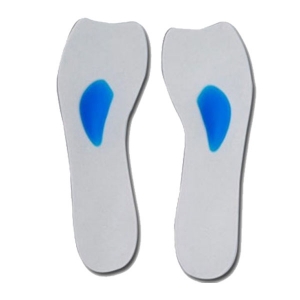
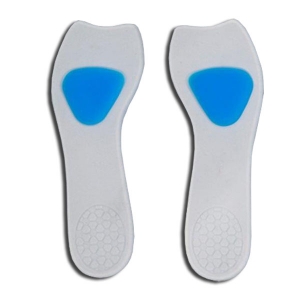
- Extra-cushioned pads: Provide superior shock absorption for prolonged standing or walking, but the size of shoes should be bigger than the original one, like:S-902, S-906.
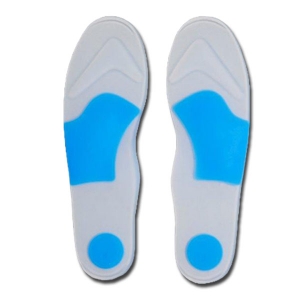
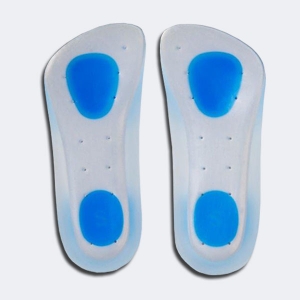
- Self-adhesive pads: Stay securely in place inside your shoes, like:K-902, K-906.
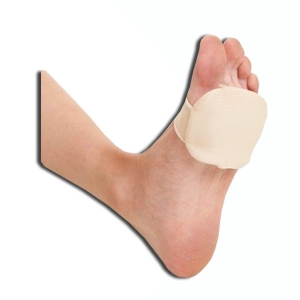
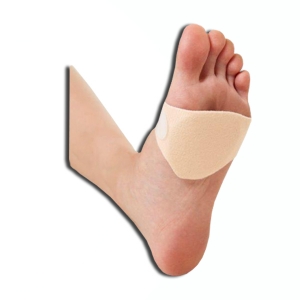
- Reusable pads: Easy to wash and maintain, offering long-lasting performance and better value.
If you wear high heels frequently, consider keeping multiple pairs of metatarsal pads for different types of shoes.
Daily Foot Care Tips
In addition to using metatarsal pads, you can keep your feet healthier by following these simple habits:
- Avoid wearing the same pair of high heels every day.
- Soak your feet in warm water after a long day to promote relaxation and improve circulation.
- Moisturize your feet regularly to help prevent callus formation.
- If pain persists for several weeks or gradually worsens, seek medical advice as soon as possible.