

From Prototype to Mass Production: How Custom Orthopedic Supports Are Made
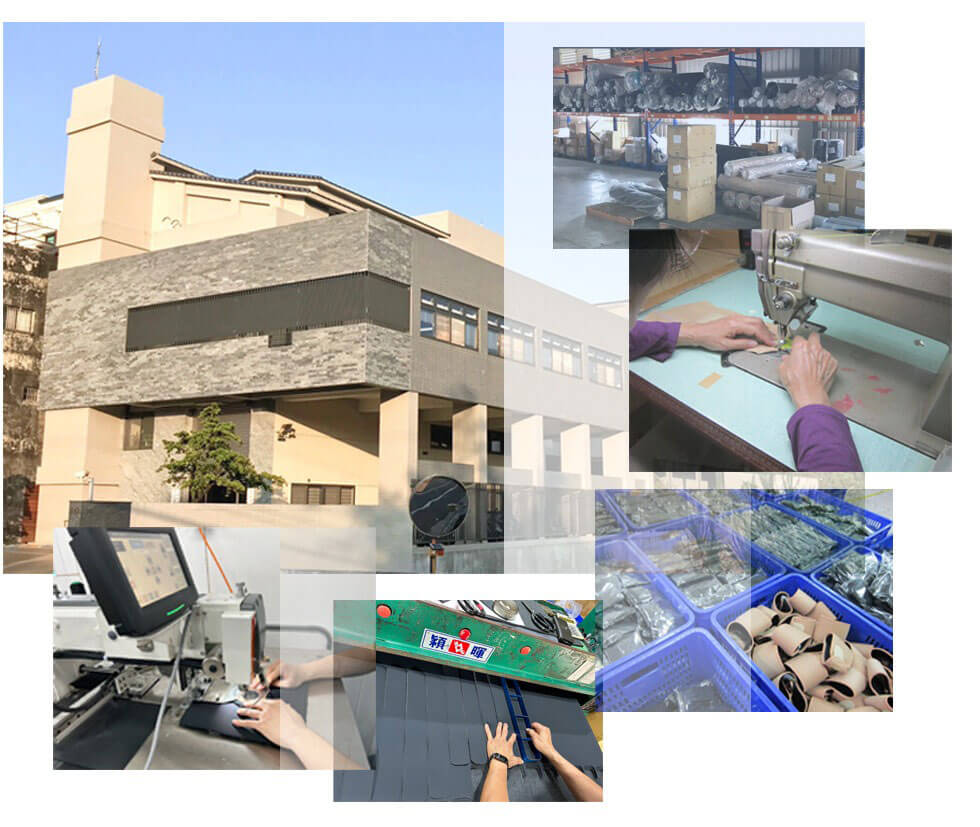
Developing a custom orthopedic support involves much more than creating a product design. For brands, distributors, medical suppliers, and rehabilitation product companies, turning an idea into a reliable finished product requires careful planning, material selection, prototyping, testing, production, and quality control.
A professional orthopedic support manufacturer can help manage the entire process, from the first prototype to mass production.
1. Product Concept and Requirements
Every custom orthopedic support starts with a product concept.
The customer may already have a complete design, an existing product that needs to be modified, or simply an idea for a new orthopedic support.
At the beginning of the project, the manufacturer needs to understand the product requirements, such as:
- Intended application
- Target users
- Body part to be supported
- Required level of support
- Product dimensions and sizes
- Materials
- Color and appearance
- Closure system
- Logo requirements
- Packaging requirements
- Target quantity
For example, a custom knee support may require different materials and structural components depending on whether the product is designed for daily support, sports use, rehabilitation, or other applications.
Clear communication at this stage helps reduce changes later in the development process.
2. Material Selection
Material selection is an important part of orthopedic support manufacturing because materials can affect comfort, flexibility, durability, breathability, and overall product performance.
Common materials used in orthopedic supports include:
- Neoprene
- 4-way stretch fabric
- Lycra
- 3D mesh
- Elastic materials
- Hook-and-loop fasteners
- PE or other structural components
- Silicone or gel components
Different materials can be combined according to the product design.
For example, breathable mesh may be incorporated into areas where ventilation is important, while stretch fabrics can help provide flexibility and a closer fit.
An experienced manufacturer can recommend suitable materials based on the product structure, target application, production requirements, and expected order volume.
3. Prototype Development
Once the design and materials have been discussed, the next step is prototype development.
A prototype is a physical sample used to evaluate the design before starting mass production.
During this stage, the manufacturer may produce samples to check:
- Dimensions
- Shape
- Fit
- Material combination
- Sewing construction
- Closure position
- Logo placement
- Overall appearance
- Function of structural components
The prototype stage is important because a design that looks good on paper may require adjustments after it is made into a physical product.
For OEM projects, several rounds of samples may be required before the final design is approved.
4. Sample Evaluation and Design Adjustments
After receiving the prototype, the customer can evaluate the product and provide feedback.
Typical adjustments may include:
- Changing the product dimensions
- Adjusting the material thickness
- Changing the fabric
- Modifying the sewing pattern
- Adjusting the position of straps
- Changing the shape or size of support components
- Improving comfort or fit
- Adjusting colors or logo placement
The manufacturer and customer work together to refine the product until the final sample meets the agreed specifications.
For long-term OEM projects, maintaining accurate sample records and product specifications is especially important. It helps ensure that future production follows the approved design.
5. Pre-Production Preparation
Once the prototype is approved, the project moves from product development to production preparation.
Before starting mass production, the manufacturer needs to prepare the necessary materials, production specifications, patterns, components, packaging materials, and production instructions.
Depending on the product, this may include:
- Fabric
- Neoprene
- Mesh
- Elastic materials
- Hook-and-loop fasteners
- Plastic or other support components
- Silicone or gel components
- Labels
- Woven or printed logos
- Packaging
- Cartons
Material availability and supplier lead times should also be considered when planning the production schedule.
6. Cutting and Sewing
After the materials are prepared, production begins.
For fabric-based orthopedic supports, the production process commonly includes cutting the materials according to the approved patterns, followed by sewing and assembly.
Different sewing techniques may be used depending on the construction of the product.
Computerized sewing machines and experienced operators can help maintain consistency throughout production.
The manufacturing process may include multiple operations, such as:
Material preparation → Cutting → Sewing → Component assembly → Logo application → Final inspection → Packaging
The exact process varies depending on the design and construction of the orthopedic support.
7. In-Process Quality Control
Quality control should not only happen at the end of production.
During manufacturing, quality checks can be performed at different stages to identify problems as early as possible.
Manufacturers may inspect items such as:
- Dimensions
- Sewing quality
- Stitching
- Material defects
- Component position
- Product appearance
- Logo placement
- Function of closures
- Assembly quality
Early inspection helps reduce the risk of large quantities of products requiring rework or replacement.
For OEM customers, consistent production is especially important because the finished products need to match the approved sample and agreed specifications.
8. Final Inspection and Packaging
After production is completed, finished products undergo final inspection before shipment.
The inspection criteria should be based on the product specifications agreed upon during the development process.
After inspection, products can be folded, labeled, packed, and prepared for shipment according to the customer's packaging requirements.
OEM manufacturers may also provide customized packaging, including:
- Individual polybags
- Product labels
- Printed packaging
- Customized boxes
- Barcode labels
- Customer-specific shipping marks
Packaging requirements should ideally be confirmed before mass production to avoid delays.
9. From Prototype to Mass Production
The transition from prototype to mass production is one of the most important stages of custom orthopedic support development.
A successful prototype does not automatically guarantee successful mass production.
The manufacturer must be able to reproduce the approved design consistently at the required quantity.
This requires proper production specifications, suitable materials, reliable suppliers, experienced production staff, and an effective quality control process.
For this reason, choosing an experienced OEM manufacturer can be an important part of developing a custom orthopedic support.
10. Why Work with an OEM Orthopedic Support Manufacturer?
Working directly with an OEM manufacturer allows brands and distributors to develop products according to their own requirements rather than selecting only from standard products.
Depending on the manufacturer's capabilities, OEM services may include:
- Material selection
- Product development
- Prototype sampling
- Design customization
- Logo customization
- Size customization
- Color customization
- Packaging customization
- Mass production
- Quality control
For companies planning to develop a new orthopedic support product, discussing the project with the manufacturer at an early stage can help identify production requirements and potential challenges before mass production begins.