

How Can a Sports Support Manufacturer Help Athletes Improve Performance?
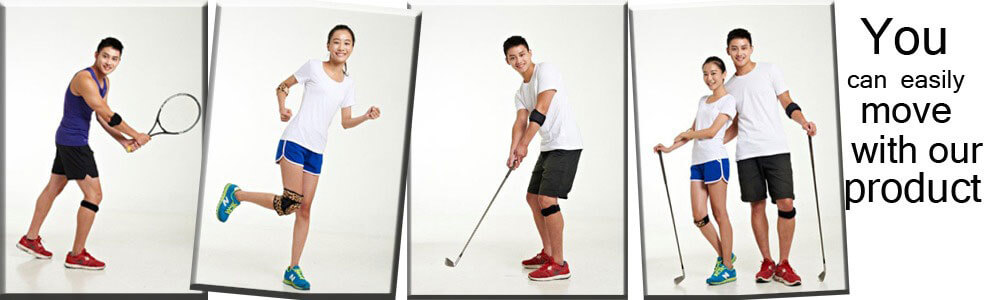
Athletic performance depends on more than strength, speed, and endurance. Proper equipment, comfort, mobility, and support also play important roles in helping athletes perform at their best.
Sports supports, including knee braces, wrist supports, ankle braces, and back supports, are widely used in sports and physical activities. When properly designed and selected, these products can provide external support, improve comfort, and help athletes manage physical demands during training and competition.
But how does a sports support manufacturer contribute to athletic performance? The answer goes beyond simply producing a brace. It involves understanding athletes' needs, selecting appropriate materials, developing functional designs, and maintaining consistent product quality.
1. Understanding the Needs of Different Athletes
Every sport places different demands on the human body. A basketball player needs support that accommodates jumping, landing, and rapid changes of direction. A weightlifter may require wrist support during heavy lifting, while a runner may prioritize comfort, flexibility, and a secure fit around the ankle or knee.
A professional sports support manufacturer considers these differences during product development.
For example:
- Knee supports: Designed to provide external support and compression while accommodating bending, running, and jumping.
- Ankle supports: Developed to provide support around the ankle while allowing appropriate movement for different activities.
- Wrist supports: Designed to support the wrist during activities involving gripping, lifting, or repetitive hand movements.
- Back supports: Developed to provide external support and help users manage physical demands during training or other activities.
By understanding the intended use of each product, manufacturers can help sports brands develop products that better match their target customers and applications.
2. Selecting the Right Materials for Comfort and Mobility
Comfort is essential when athletes wear supports during extended training sessions or competitions. A brace that feels too restrictive, traps excessive heat, or slips during movement may affect the wearer's experience.
Material selection is therefore a key part of sports support manufacturing.
Depending on the product design and intended application, manufacturers may work with materials such as:
- Neoprene: Offers cushioning, stretch, and a close-fitting structure.
- Four-way stretch fabrics: Help accommodate movement in multiple directions.
- Breathable mesh: Supports airflow and can help improve wearing comfort.
- Lycra-blend fabrics: Provide stretch and flexibility for a more adaptive fit.
- Bamboo charcoal fabrics: Offer an alternative textile option for brands seeking specific fabric characteristics and product positioning.
The right material combination depends on the support level, flexibility, durability, skin contact, and intended use of the product.
For OEM and ODM projects, manufacturers can work with brands to evaluate different material combinations and develop products that balance functionality, comfort, and cost.
3. Designing for Stability Without Unnecessary Restriction
Sports supports must balance external support with freedom of movement. A design that is too restrictive may interfere with natural movement, while a design that does not fit properly may fail to provide the intended level of support.
Manufacturers can address these challenges through product pattern development, panel construction, elastic placement, fastening systems, and sewing techniques.
For example, a knee support may require a design that accommodates repeated knee flexion, while an ankle support may need to balance a secure fit with the mobility required by the intended sport.
Careful product development can help reduce common fit issues, such as slipping, excessive pressure, and restricted movement.
The final design should be evaluated through appropriate fit assessments and wear testing. Product performance depends on the design, materials, sizing, and the individual wearer's needs.
4. Maintaining Consistent Quality Through Manufacturing
Even a well-designed sports support may not perform consistently if its quality varies from one production batch to another.
Manufacturing processes therefore play an important role in product reliability.
An experienced manufacturer can establish quality control procedures for key production stages, including:
- Incoming material inspection.
- Cutting accuracy and component preparation.
- Sewing quality and seam consistency.
- Elasticity and fastening performance, where applicable.
- Finished product appearance and dimensional checks.
- Final inspection before shipment.
For sports brands, consistent manufacturing quality helps support product reliability, customer satisfaction, and long-term brand development.
A manufacturer with an established quality management system can also help customers define product specifications and maintain clearer quality requirements throughout production.
5. Supporting Customization Through OEM and ODM Services
Sports brands often need products that reflect their own market positioning, target users, and brand identity.
OEM and ODM manufacturing services allow brands to develop customized sports supports without establishing their own production facilities.
Depending on the project, customization may include:
- Product dimensions and sizing.
- Material selection and fabric combinations.
- Product structure and functional design.
- Brand logos, labels, and color options.
- Retail packaging and private-label presentation.
An OEM/ODM manufacturer can also assist with sample development, design adjustments, material evaluation, and preparation for mass production.
This approach enables brands to explore new product opportunities while working with a manufacturing partner that understands production requirements and quality consistency.
6. Turning Product Ideas Into Market-Ready Sports Supports
Developing a sports support involves more than selecting a product from an existing catalog. Brands may need to adapt an existing design, explore new materials, refine the fit, or create a product for a specific sporting activity.
A structured development process helps turn these requirements into practical manufacturing solutions.
A typical process may include:
- Requirement discussion: Define the target users, intended application, product features, and price expectations.
- Material and design selection: Identify suitable fabrics, support structures, fastening methods, and sizing requirements.
- Sample development: Produce samples for initial review and fit evaluation.
- Testing and refinement: Review comfort, fit, construction, and other relevant performance criteria.
- Mass production: Manufacture approved products according to agreed specifications and quality requirements.
Clear communication between the brand and manufacturer helps reduce misunderstandings and supports a smoother transition from prototype to production.
7. What Should Sports Brands Look for in a Manufacturing Partner?
Choosing the right manufacturing partner is an important decision for sports brands developing their own support products.
When evaluating a potential supplier, brands should consider:
- Manufacturing experience: Does the factory have relevant experience producing orthopedic and sports supports?
- Material knowledge: Can the manufacturer explain the properties and limitations of different materials?
- Customization capabilities: Can the factory accommodate the required product design, logo, labeling, and packaging?
- Quality management: Are product specifications and inspection procedures clearly defined?
- Sample development: Can the manufacturer provide samples for evaluation before mass production?
- Communication and production planning: Can the factory clearly explain minimum order quantities, lead times, and production requirements?
A suitable manufacturing partner should understand both the technical requirements of the product and the commercial needs of the brand.